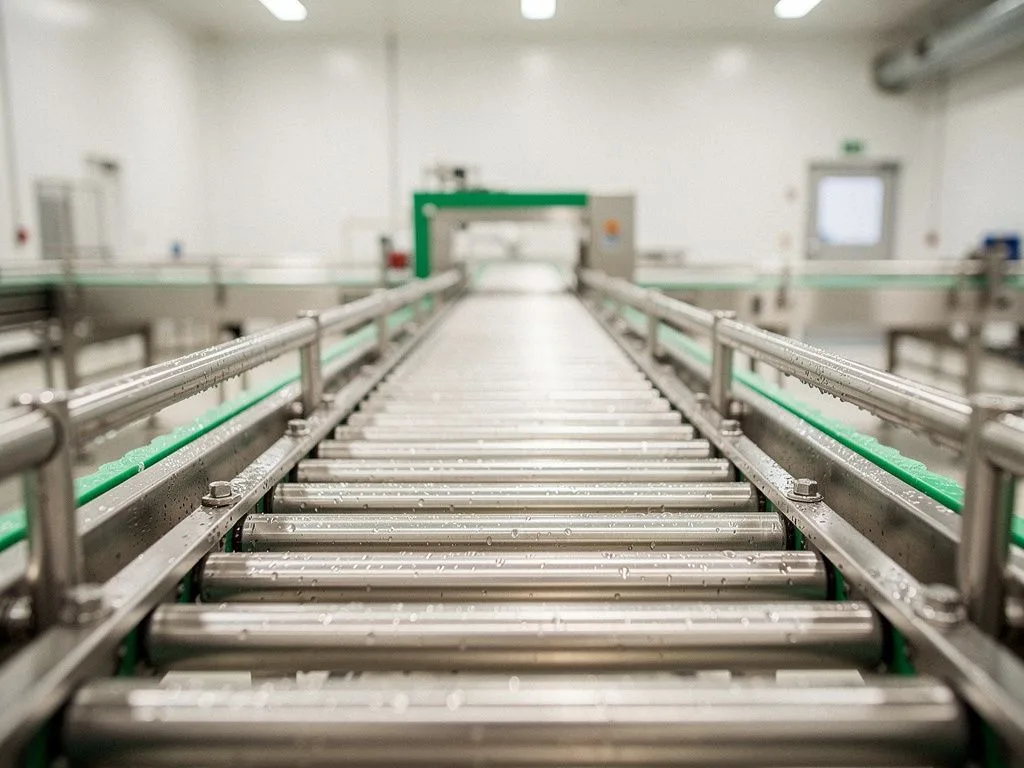
Before Automation, Product Specifications Must First Be Compiled into a Quantifiable Document
For food processing plants, the first step before introducing automated equipment is not choosing a machine model, but compiling product specifications into a document that both buyer and seller can use to make judgments. This document should at least include the finished product shape and dimensions, the composition of filling and wrapper, target output per hour, raw material storage conditions, and existing labor and space constraints. The clearer the specifications, the closer the quotes and trial run results for filling machines, egg liquid filling lines, or whole-plant planning will be to the actual production line, and the lower the cost of subsequent modifications.
Why Are Specification Documents More Important Than Machine Selection?
Because the capacity, mold dimensions, and feeding structure of automated equipment are all reverse-engineered based on specifications. If a buyer only tells the supplier "I want a filling machine," the supplier can only offer general specifications. After the order is actually placed, it will be discovered that the filling viscosity, dough thickness, or weight per piece does not match the equipment's default settings, requiring re-tuning or even mold replacement. A specification document brings these variables to light in advance, allowing both parties to align on production line conditions at the quotation stage. For small equipment like tabletop filling machines, the specification document can be condensed to a single table; for continuous egg steaming and forming lines or turnkey whole-plant projects, the specification document needs to include water, electricity, steam, and workflow planning. It is recommended that buyers treat the specification sheet as part of the inquiry, not as an attachment added after the inquiry.
Before Purchasing a Filling Machine, Which Fields Should Be Listed for Filling and Wrapper Specifications?
The specification differences of filling machines mainly come from the physical characteristics of the filling and wrapper. Buyers should at least list the weight per finished piece, moisture content and oil content of the filling, thickness and extensibility of the wrapper, and whether it contains particles (e.g., shrimp meat, vegetable dices, minced meat particle size). Taking dumplings and potstickers as an example, the wrapper recipes are similar, but potsticker wrappers are usually thicker and contain more oil, which affects the rebound during press forming; wontons and yunton have thin wrappers and less filling, making them more sensitive to feeding speed and wrapper tension. Tabletop electric filling machines are suitable for small-batch, multi-variety trial production and small shops, while high-speed wonton and yunton filling machines target mass production of a single item. If a buyer only writes "dumpling filling machine," it is difficult for the supplier to determine which line to recommend; writing clearly the weight range per piece and target pieces per minute will make the quotation accurate.
Which Variables Should Be Included in Specifications for Egg Processing Equipment?
The two main product lines of egg processing equipment—egg liquid mixing and quantitative filling, and continuous egg steaming and forming lines—have different specification requirements. Egg liquid filling requires egg liquid viscosity, whether other liquids are included (e.g., broth, seasoning liquid), filling container specifications (cup type, bag type, bottle type), and target filling quantity per hour; continuous egg steaming and forming lines require finished product thickness, cutting dimensions, steam source, and production line cycle time. A common mistake buyers make is only providing a weight unit like "kilograms per hour," but the bottleneck of egg liquid filling is often the number of filling heads and container feeding speed, not the total weight. It is recommended to break down specifications into three fields: "capacity per container, containers per minute, total weight per day," so the supplier can determine the number of filling heads and buffer tank size.
Why should the specification documents for a turnkey plant project include site and utility details?
For turnkey plant projects, the specification documents must include factory dimensions, floor loading capacity, electrical capacity, steam and compressed air sources, drainage locations, and workflow direction. Unlike standalone machines, food processing lines cannot be flexibly arranged. If a continuous egg-cooking and forming line and a filling machine are to be integrated into a complete production line, the distance between equipment, belt height, and buffer space will all affect yield and operator workflow. If a buyer only provides a description like "we want to set up a dumpling factory" when requesting a quote, the turnkey plant supplier can only provide a conceptual layout, not a price. It is recommended that buyers first draw a floor plan of the factory, marking entrances, exits, drainage points, and electrical panel locations, and then attach the product specification sheet to the inquiry. This way, the turnkey plant quote will include installation labor and utility configuration.
What additional specification fields should buyers in Southeast Asian markets prepare?
For food processing plants in Southeast Asian markets such as Thailand, the specification documents need to account for local raw material characteristics, climate, and electrical specifications. The shrimp filling commonly used in Thailand has high moisture content and distinct particles, which differs from the viscosity of Taiwanese-style meat filling and will affect the feeding and forming parameters of the filling machine. Since local temperatures are often above 30°C year-round, the storage conditions for egg liquid and filling need to be clearly specified to prevent spoilage in the buffer tank after filling. For voltage and frequency, it is necessary to confirm whether it is 220V/50Hz or 380V/50Hz, as this affects the motor and control system configuration. If buyers fill in these fields, the equipment can be connected to power and commissioned directly upon arrival overseas, without having to stop for adjustments due to voltage or filling compatibility issues.
After the specification documents are prepared, what is the next step?
Once the specification documents are ready, buyers can send them along with the factory floor plan and target production capacity to suppliers of filling machines, egg processing equipment, or turnkey plant solutions for a preliminary evaluation. Based on the specifications, the supplier will determine the equipment combination, production line cycle time, and mold specifications, and reply with a summary quote that includes the equipment list, estimated capacity, and delivery time. At this stage, detailed engineering drawings are not yet required, but the more complete the specification fields, the more accurate the summary quote will be, and the fewer subsequent revisions will be needed. It is recommended that buyers treat the specification documents as a reusable template. In the future, when adding new products or expanding the production line, they can simply update the fields and request a new quote, without having to start the communication from scratch.
Product specification checklist before automation
Finished product shape and unit weight
List the finished product dimensions, unit weight range, and daily target output. This is the first basis for selecting filling machines and egg processing equipment.
Physical properties of filling and wrapper
Moisture content, oil content, particle size, wrapper thickness, and extensibility directly affect the feeding and forming parameter adjustments of the filling machine.
Filling container and packaging specifications
The cup, bag, or bottle dimensions for egg liquid filling, as well as the filling quantity per minute, determine the number of filling heads and the buffer tank size.
Factory dimensions and workflow layout
The factory floor plan, entrances, exits, drainage, and electrical locations are key to whether the turnkey plant quote can cover installation labor.
Utility and steam supply conditions
Voltage frequency, electrical capacity, and steam and compressed air sources affect the commissioning schedule for the continuous egg-cooking and forming line and the filling line.
Local raw materials and climate notes
For Southeast Asian markets, note the moisture characteristics of raw materials, ambient storage conditions, and local voltage specifications to avoid downtime for adjustments after arrival.
What common discrepancies occur in quotations when specification fields are incomplete?
When specification fields are incomplete, the three most common discrepancies are: first, capacity discrepancies, where the buyer's expected output per hour does not match the actual cycle time of the equipment; second, mold discrepancies, where the unit weight or wall thickness differs from the equipment's preset values, requiring additional mold costs; and third, installation discrepancies, where the water, electricity, or workflow layout does not match the factory premises, requiring additional engineering costs. If these three discrepancies are only discovered after machine delivery, they often require machine stoppage for modifications, affecting production schedules. Although filling in the specification fields completely during the inquiry stage requires longer upfront communication, it allows quotations to better reflect actual needs and reduces subsequent additional costs.
Prepare your specification documents before requesting a quotation from suppliers
Please organize the product specifications and factory conditions according to the checklist above, and send them together with the target production capacity to TWB2B 食品機械 DemoSite Food Machinery Co., Ltd. We will provide equipment combinations and a preliminary quotation based on the specifications.