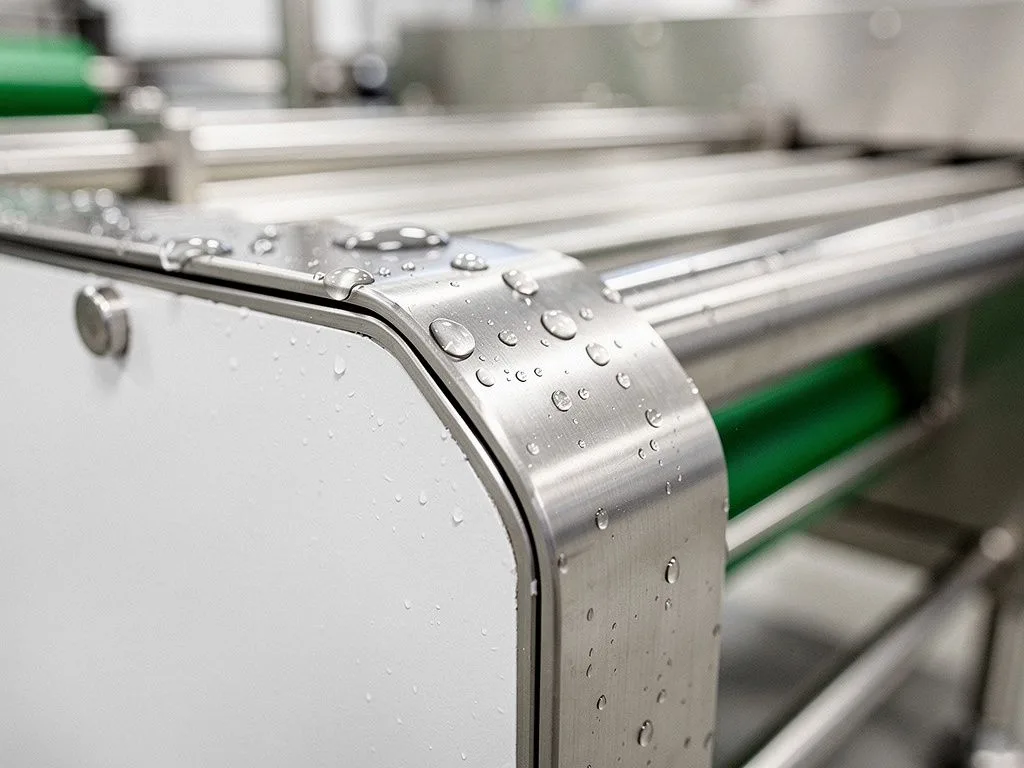
What are the clean design principles for food processing machinery?
The clean design principles for food processing machinery refer to a design logic that makes equipment structurally easy to clean of foreign matter, residual material, and microorganisms. This covers aspects such as contact surface materials, dead-corner-free structures, disassembly for cleaning, and hygienic sealing. For buyers exporting to markets such as Thailand, clean design directly affects whether a factory can pass local hygiene inspections and buyer audits. It is an essential evaluation criterion when assessing egg processing equipment, filling machines, and complete plant planning.
Why should buyers prioritize clean design when evaluating food processing machinery?
Buyers prioritize clean design when evaluating food processing machinery because it directly determines the labor, time, and water required for daily cleaning, as well as whether residual material and microorganisms can accumulate inside the equipment after shutdown. For egg liquid mixing and metered filling machines, if the piping, valves, and filling heads that contact the egg liquid cannot be disassembled for cleaning, residual protein will form a biofilm on the pipe walls. When subsequent products develop off-flavors or exceed bacterial counts, it becomes difficult to determine whether the issue originates from the raw materials or the equipment. For continuous egg steaming and forming lines, if the steam section and conveyor area have recesses where water can pool, condensate after shutdown becomes a breeding ground for bacteria. Such problems are not easily detected before shipment but are often flagged in a single buyer audit or local health official inspection. The situation is similar for filling machines: if the forming modules that contact the dough and filling cannot be quickly disassembled, daily cleaning time when switching production lines for different flavors will directly eat into production capacity. Therefore, buyers should include clean design details in their technical questionnaire at the inquiry stage, rather than discovering unreasonable disassembly and cleaning workflows only after the equipment arrives at the factory.
What key points regarding contact surface materials should buyers confirm in clean design?
The key point buyers should confirm regarding contact surface materials is whether the parts that directly contact the product use food-grade stainless steel, and whether welding seams, seals, and fasteners avoid materials that can peel, corrode, or absorb grease. The filling valves and metering cylinders of egg liquid equipment are high-frequency contact parts. If they use ordinary carbon steel or galvanized parts, prolonged contact with the salt and moisture in egg liquid will cause rapid corrosion. Corrosion products not only contaminate the product but can also scratch operators during cleaning. The forming modules and filling augers of filling machines are also contact surfaces. Dough and meat filling have a high friction coefficient; if the surface roughness is too high, residual material can get trapped in micropores and be difficult to remove completely during cleaning. When reviewing specifications, buyers should require suppliers to clearly indicate the material grade and surface treatment of contact surfaces, and ask about the material differences of non-contact surfaces (such as the machine frame and outer panels). This helps assess the equipment's hygienic stability over long-term use. For specific material grades and surface treatment specifications, it is recommended to request corresponding advice from the supplier based on the actual pH of the product and the type of cleaning agent used.
Six structural features buyers can check item by item when evaluating whether a food processing machine meets clean design standards
Dead-corner-free contact surfaces
Pipes, valves, and filling heads that contact the product should be removable or integrally formed to avoid recessed structures that cleaning brushes and water cannot reach, reducing the risk of biofilm formation.
Disassemblable components for cleaning
High-wear parts such as forming modules, metering components, and conveyor belts should be removable without special tools, facilitating daily line changes and deep cleaning while reducing downtime.
Hygienic sealing design
Shaft seals, windows, and inspection doors should use food-grade seals to prevent lubricating oil, cleaning water, or external contaminants from entering the product area. This is a commonly cited deficiency during audits.
Drainage and water accumulation control
The machine base, steam area, and cleaning area should be designed with drainage slopes and water collection structures to prevent condensate or cleaning water from stagnating after shutdown, reducing breeding grounds for microorganisms.
Housing and frame materials
Although non-contact surfaces do not directly contact the product, if they use materials prone to corrosion or paint peeling, dust and rust particles can drift into the product area during cleaning. They should be held to the same standards as contact surfaces.
Isolation of piping and electrical systems
Pneumatic pipes, vacuum lines, and electrical wiring should be physically isolated from the product area and housed in wipeable protective enclosures to prevent moisture ingress during cleaning, which could cause short circuits or contamination.
How does clean design influence equipment layout and plant floor flow in whole-plant planning?
Clean design influences equipment layout and plant floor flow in whole-plant planning because a single machine meeting clean design standards does not mean the entire production line does. If the conveying sections, buffer tanks, and manual operation areas between lines are not planned together, contaminants can transfer from one section to another. For egg processing equipment, the liquid egg mixing and volumetric filling machines are typically placed between the raw material area and the filling area. If piping crosses pedestrian traffic lanes or clean zones, the cleaned piping can be re-contaminated when reconnected, which is a flow issue that must be addressed during the whole-plant planning stage. For filling machines, the cleaning frequency of a tabletop electric filling machine differs from that of a high-speed wonton filling machine. The former is usually cleaned once daily, while the latter requires disassembly and cleaning of the forming module during line changeovers. If both share the same cleaning tank and drying area, intersecting flow paths will extend cleaning time. The value of a turnkey whole-plant project lies in extending single-machine clean design to the plant level, creating non-crossing flow paths for raw material intake, product forming, cleaning areas, and finished goods shipping. This is a necessary configuration for hygiene audits in Southeast Asian markets such as Thailand and for international buyer inspections.
What technical questions should buyers prepare when asking suppliers about clean design?
When asking suppliers about clean design, buyers should prepare technical questions centered on their own product characteristics and plant conditions, rather than directly applying a generic questionnaire. Buyers of egg processing equipment should ask about the daily disassembly and cleaning time for liquid egg contact surfaces, cleaning agent compatibility, condensate drainage in steam areas, and residual material handling procedures during overnight shutdowns. These questions directly reveal whether the supplier has considered the actual cleaning workflow during the design phase. Buyers of filling machines should ask about the disassembly steps for the forming module, whether special tools are required, cleaning differences when changing between different fillings (meat, vegetable, cheese), and the availability and replacement cycle of seals. Buyers planning a whole plant should provide the plant floor plan and production line layout, require the supplier to mark cleaning areas, drainage points, and equipment disassembly and cleaning flow paths on the drawings, and explain alternative solutions when space is limited. Including these questions in the technical clarification list during the quotation stage can filter out suppliers with immature designs before signing a contract, reducing the risk of discovering infeasible cleaning flow paths only after the equipment arrives at the plant.
What is the relationship between clean design and material and certification requirements?
The relationship between clean design and material and certification requirements is that materials determine whether clean design can be implemented, while certification is proof that clean design has been recognized by a third party. In terms of materials, if contact surfaces use stainless steel, the structural features of clean design—such as no dead corners, disassembly for cleaning, and hygienic sealing—have practical meaning. If non-food-grade materials are used, even the most well-designed structure will fail over time due to corrosion or peeling. In terms of certification, different markets have different verification methods for clean design. Hygiene audits in Southeast Asian markets such as Thailand typically focus on on-site inspections, where certification bodies actually disassemble equipment to check contact surfaces and seals. Therefore, when evaluating suppliers, buyers should ask whether their equipment has undergone similar audits, what the audit findings were, and how they were subsequently improved. Specific certification numbers and test report data should be confirmed based on actual specifications and should not be used as the sole basis for procurement based only on the supplier's verbal statements.
How can buyers verify after purchase that the equipment's clean design meets expectations?
To verify after purchase that the equipment's clean design meets expectations, buyers should conduct an actual disassembly and cleaning test during the on-site installation phase, rather than waiting until formal production begins. Key points of the on-site test include: actually disassembling contact surface components to confirm they can be taken apart and reassembled within the stated time; using a timer to record the total labor hours from shutdown to completion of cleaning and comparing them with the hours promised in the supplier's quotation; performing visual inspection and wipe tests after cleaning to confirm no visible residue on contact surfaces; and conducting leak tests on steam areas, drainage areas, and seals to confirm there is no standing water or leakage after shutdown. For high-frequency cleaning equipment such as egg processing equipment and filling machines, it is recommended to arrange a complete cleaning process drill during the trial production phase, with the plant's quality assurance and hygiene management personnel participating together. This helps identify design deficiencies before mass production. If the verification results differ from the commitments made before purchase, improvement requests should be submitted to the supplier within the warranty period, and written records should be kept as evidence for subsequent factory audits.
Need to assess the feasibility of hygienic design based on your product and facility conditions?
Please provide your product type, facility layout, and cleaning frequency requirements. We will confirm the equipment configuration and corresponding hygienic design approach based on your actual specifications.